
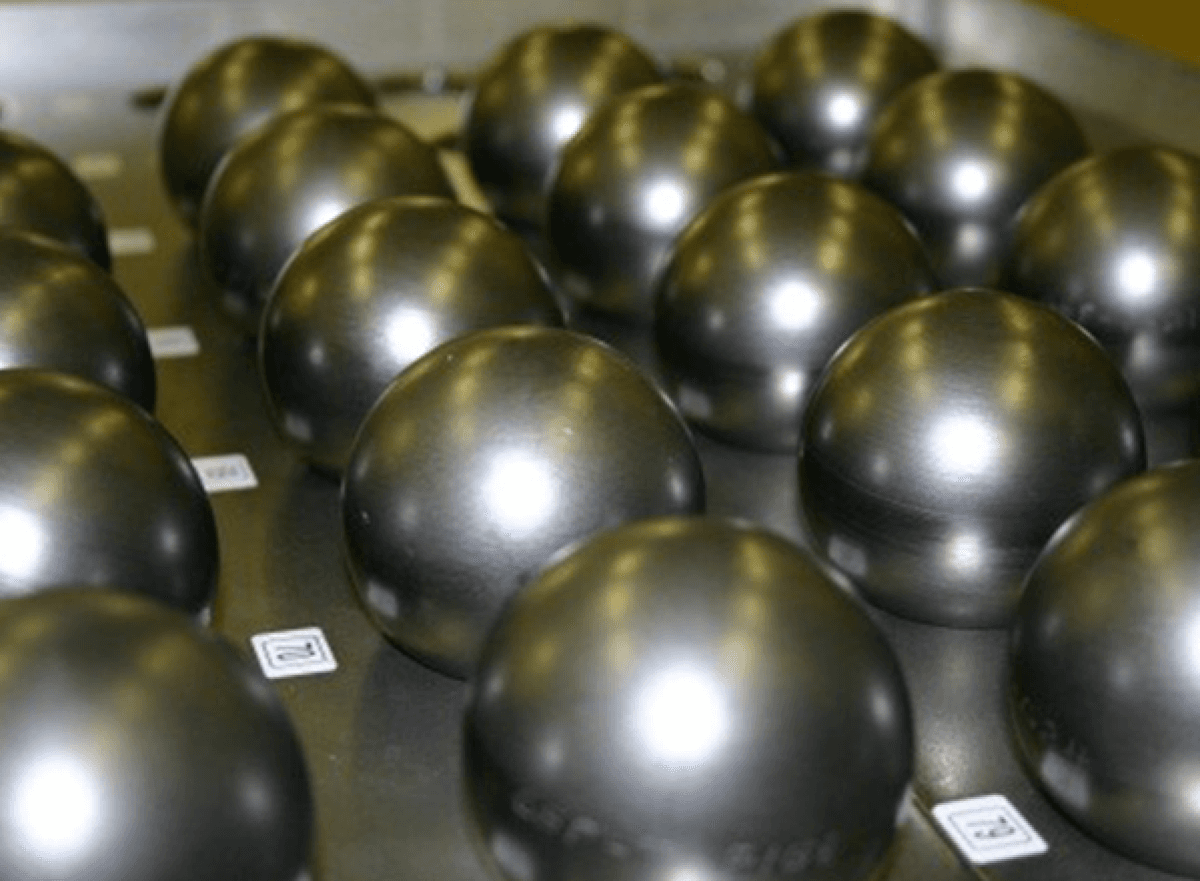
Standard Nuclear Selected for US Government Funding
US-based Standard Nuclear has been selected by the Department of Energy's Advanced Research Projects Agency-Energy (ARPA-E) to receive approximately $7 million in funding for a project focused on developing nuclear fuel from recycled materials.
The funding comes under the High-performance Optimized Recycled Nuclear Isotopes for Generation IV Reactors (HORNIG) programme. Standard Nuclear's award is valued at $6,999,984 and will support the development of Mixed Oxycarbide (MCO) tristructural isotropic (TRISO) fuel.
The project aims to use recycled transuranic and uranium feedstocks, including plutonium, to manufacture advanced fuel particles for high-temperature gas reactors.
Standard Nuclear will lead the initiative in partnership with SHINE Technologies.
Turning Recycled Nuclear Materials into New Fuel
Nuclear reactors generate used fuel that still contains materials with potential energy value. Some of these materials, known as transuranic elements, can be recovered and considered for reuse in advanced nuclear fuel systems.
Standard Nuclear's project will investigate methods to incorporate recycled transuranic materials into MCO TRISO fuel.
TRISO fuel consists of small uranium-bearing fuel particles surrounded by multiple protective layers designed to retain radioactive materials under demanding operating conditions.
By developing a fuel form that incorporates recycled materials, the project aims to create an alternative source of fissile feedstock for advanced reactors.
The approach could also help reduce the accumulation of commercial spent nuclear fuel, although the technology still requires development, testing and qualification before commercial deployment.
HORNIG Programme Supports Eight Nuclear Fuel Projects
Standard Nuclear is one of eight organisations selected under the HORNIG programme, which has access to up to $50 million in combined funding.
The programme supports research into different ways of converting recycled nuclear materials into fuel for Generation IV reactors.
Other selected projects include Westinghouse's work on additively manufactured metallic fuel, Oregon State University's transuranic-bearing nitride fuel research and Idaho National Laboratory's development of recycled-material fuel salts for molten salt reactors.
Oklo and Texas A&M University are also participating in projects involving recycled nuclear materials.
The programme aims to bring together fuel manufacturing, modelling and testing earlier in the development process. According to ARPA-E, this approach is intended to shorten the qualification timeline for new nuclear fuel technologies.
Reducing Dependence on Conventional Fuel Supplies
Advanced nuclear reactors require reliable access to specialised fuel materials. Many next-generation reactor designs are expected to use fuel types that differ from those used in conventional commercial reactors.
Standard Nuclear's MCO TRISO project is intended to explore an alternative to relying exclusively on high-assay low-enriched uranium (HALEU) feedstock.
Developing additional fuel pathways could help diversify the supply chain for existing and next-generation reactors.
The project also builds on Standard Nuclear's previous work in advanced fuel manufacturing. In June 2026, the company was selected to enter advanced negotiations under the Department of Energy's Surplus Plutonium Utilization Program.
What This Means for Advanced Nuclear Energy
The growing interest in advanced nuclear reactors has increased attention on fuel manufacturing, recycling technologies and domestic supply chains.
However, converting recycled nuclear materials into usable reactor fuel involves significant technical and regulatory challenges. Manufacturing processes must be validated, fuel performance must be tested, and the resulting materials must meet established safety and qualification requirements.
For Standard Nuclear, the new funding provides support for developing the manufacturing methods needed to produce recycled-material TRISO fuel at scale.
If successful, the project could contribute to a more diversified nuclear fuel supply while creating additional opportunities to reuse materials currently held in spent-fuel inventories.
The development reflects a wider effort to make nuclear energy more resource-efficient by combining advanced reactor designs with new approaches to fuel production and recycling.
SEO Keywords: Standard Nuclear, DOE nuclear funding, recycled nuclear fuel, TRISO fuel, MCO TRISO, HORNIG programme, ARPA-E, advanced nuclear reactors, nuclear fuel recycling, transuranic materials, plutonium recycling, Generation IV reactors, nuclear energy technology