
Sequoia-Backed Empirik Steps Out With $21M to Stop Outages Before They Start
Incubated quietly inside Sequoia Capital, Empirik is spinning out as an independent company with a bold pitch: give infrastructure engineers the same productivity leap that AI coding tools gave software developers.
A startup born inside one of Silicon Valley's most influential venture firms is now standing on its own, armed with $21 million and a mission to help engineering teams catch system failures before they ever take a service offline.
From Internal Bet to Independent Company
The idea traces back to two veteran infrastructure leaders working inside a major venture firm's own IT organization. Having spent years running large-scale systems at established enterprise tech companies before moving into venture, the pair noticed something as large language models began maturing: instead of engineering teams simply reacting to outages after the damage was done, AI could be trained to anticipate the ripple effects of every system change before it ever caused a problem.
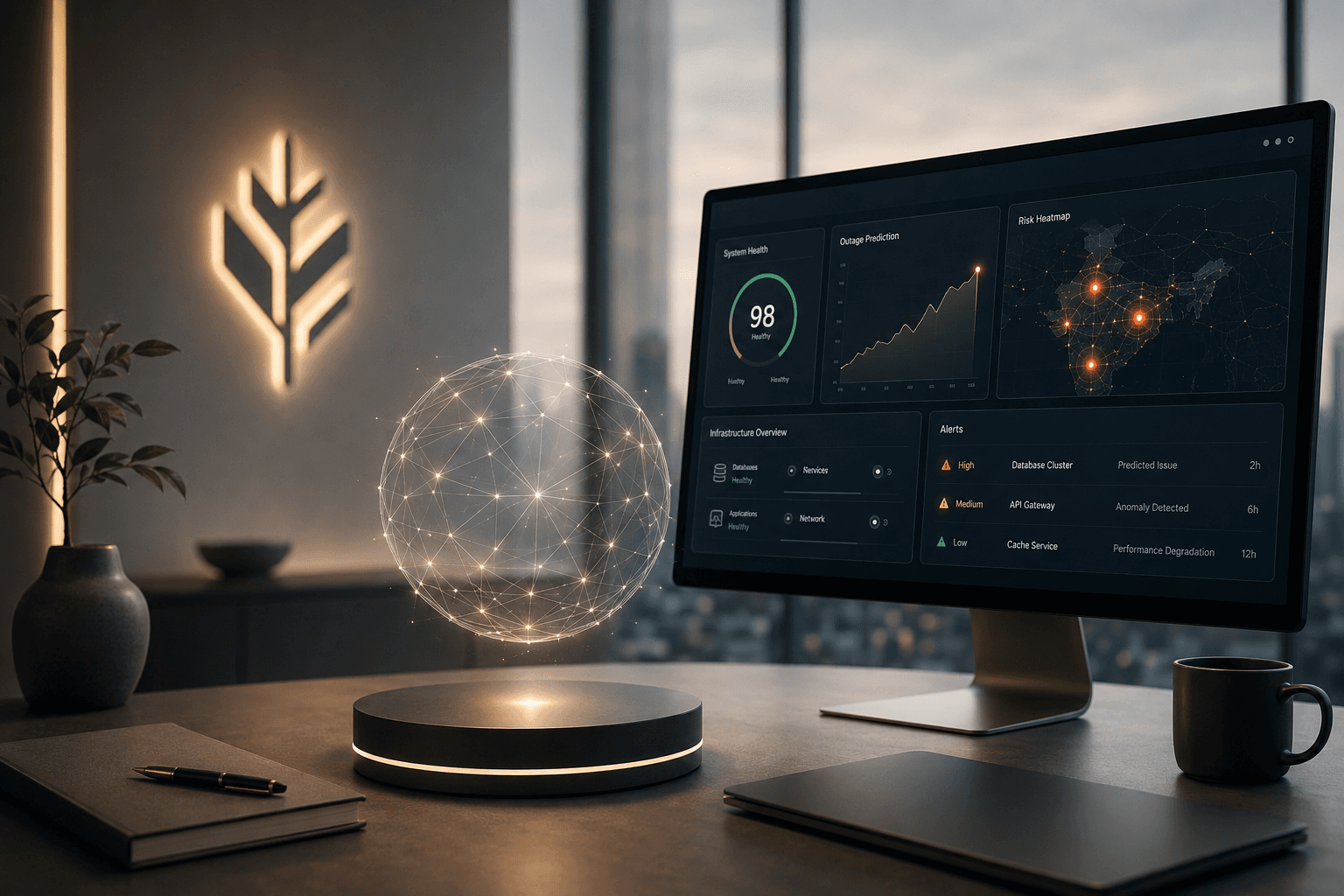
That insight became the foundation for a tool that continuously tracks changes across a company's infrastructure and models how those changes might cascade through interconnected systems. The venture firm saw enough promise to incubate the project in-house starting in 2023, eventually bringing in an experienced product and observability executive — previously a chief product officer at an analytics company and an observability vice president at a major CRM platform — to take over as CEO earlier this year.
An Autonomous "Traffic Cop" for IT Systems
What makes this approach different from traditional observability tools, according to backers, is its focus on understanding complex dependencies rather than just monitoring metrics after something breaks. The system is designed to act like an automated gatekeeper — waving through low-risk changes on its own, applying extra guardrails to riskier ones, and escalating the most dangerous updates for a human engineer to review.
That kind of triage matters because site reliability and DevOps teams are increasingly stretched thin, spending enormous amounts of time on routine troubleshooting instead of higher-value engineering work. By automating the detection and containment side of the job, the company hopes to free up those teams the same way AI coding assistants have freed up software developers from repetitive programming tasks.
As AI lets developers ship code faster than ever, the infrastructure holding it all up needs its own intelligence layer — otherwise speed just becomes a bigger liability.
Why It Matters
The bet here is a familiar one in enterprise tech: as AI accelerates how fast one part of the stack moves, another part of the stack has to catch up or risk becoming the bottleneck — or worse, the point of failure. Software development has already seen this shift play out with AI coding assistants. Now the same logic is being applied to the unglamorous but critical work of keeping systems running, a category that has historically been underserved by flashy new tooling despite the enormous amount companies spend just to stay online.
- An unusual origin story. The company was built and incubated inside its own lead investor before becoming independent — a increasingly common venture playbook.
- Prevention over reaction. Instead of alerting teams after an outage happens, the tool aims to flag risky changes before they cause one.
- Enterprise-ready from day one. Early customers already include several Fortune 500 companies, suggesting real demand beyond the startup world.
- Positioned as a complement, not a rival. The company is carving out its own category alongside existing AI-driven site reliability tools rather than competing directly.
- Part of a bigger AI infrastructure wave. As AI speeds up software development, tools that help infrastructure teams keep pace are becoming a serious investment category.