
Is a full-body scan worth it? The company says prevention is the point, while critics urge caution
Neko Health, the preventive-health startup co-founded by Spotify's Daniel Ek, has opened its first American location in SoHo, New York, bringing its full-body scan to U.S. customers for $499.
What the scan involves
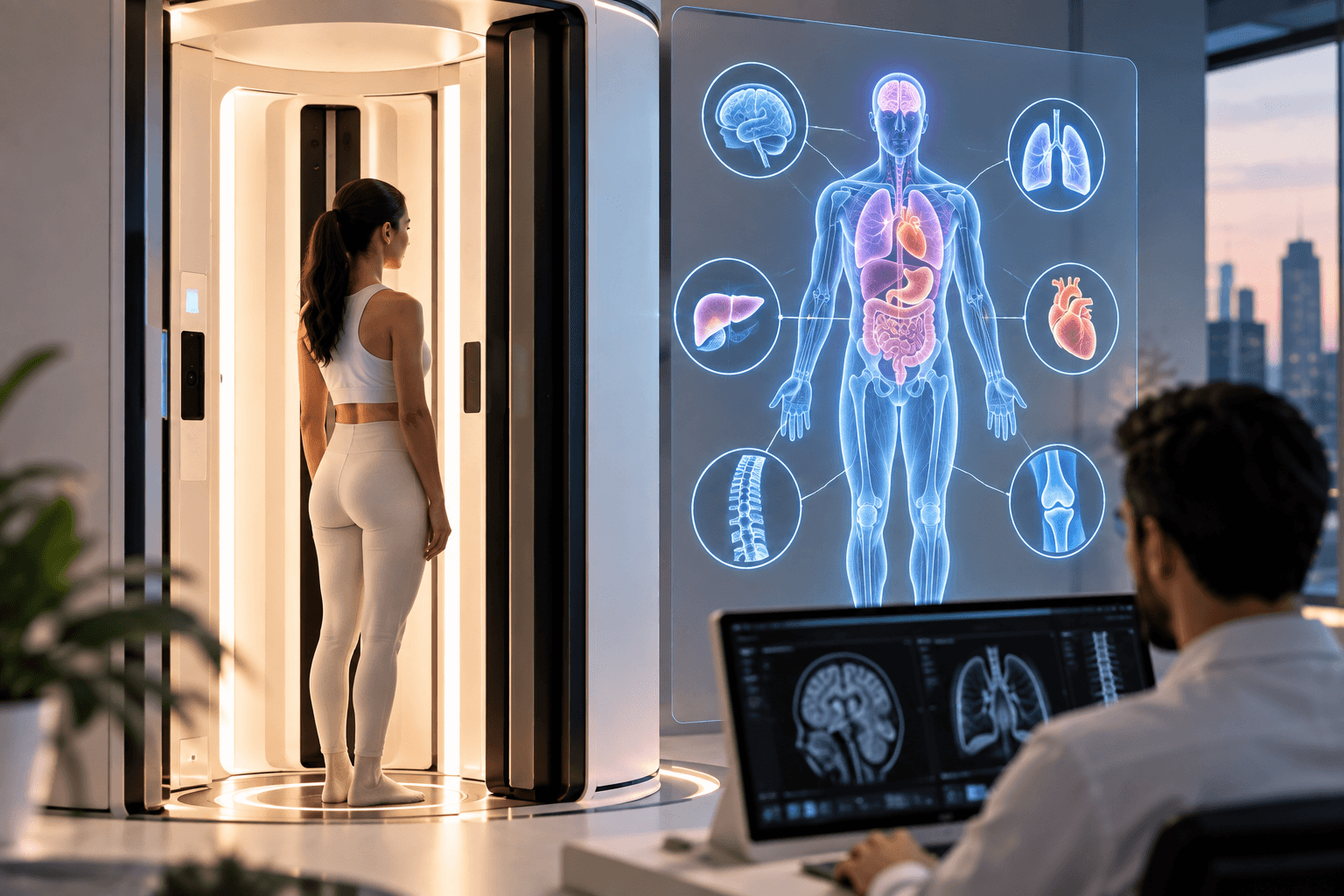
Led by co-founder and CEO Hjalmar Nilsonne, the company pairs proprietary body-scanning hardware with bloodwork and data from fitness devices to assess health risks. A technician guides patients through a series of exams. A dermatology device captures thousands of 2D and 3D photos of the whole body to assess moles, body shape and temperature, and a foot scan uses different wavelengths of light to analyze tissue. Other tools include thermal and 3D cameras, an ECG and finger sensors. Neko aims to flag conditions such as skin cancer, heart disease and Type 2 diabetes risk. A doctor then explains the results.
Notably, Neko does not offer full-body MRI scans, which is how it keeps the price below the $1,000 to $5,000 that many full-body scans cost out of pocket.
Strong demand and big funding
The company was founded in 2018 and launched in Sweden in 2023, and also operates in the UK. It says more than 100,000 people have had scans so far. Its U.S. waitlist has attracted tens of thousands of New Yorkers, and reports put total global sign-ups in the hundreds of thousands. Neko recently raised a $700 million Series C, following earlier rounds that valued it at $1.8 billion, with backing that reportedly includes high-profile tech investors.
The case for and against
Nilsonne argues that a healthcare system built around prevention would beat one that reacts to illness, and says Neko's goal is to catch chronic disease before it becomes a crisis. He has acknowledged skepticism about the model.
Critics raise several concerns:
Medical guidance. Professional medical organizations such as the American College of Radiology have not recommended full-body scans for healthy people.
Follow-up tests. Health professionals worry that scans of low-risk patients can lead to further expensive or invasive diagnostic procedures.
Cost and coverage. Such scans are generally paid out of pocket and not covered by insurance.
Integration. If scan results can't flow to a patient's primary doctor or health record, their value in real medical care may be limited.
Neko enters a crowded field of venture-backed preventive-health companies, including Function Health, offering everything from blood panels to full-body MRIs.