
How One Startup Is Selling Factory-Direct Luxury Without the Price Tag
A newly funded fashion brand is skipping the traditional luxury markup by working directly with the same factories that supply high-end labels, using AI to keep production lean and pricing honest.
A fashion startup built around a simple pitch — the same materials, the same factories, but none of the traditional luxury markup — has closed a fresh round of seed funding to expand its AI-driven approach to sourcing and selling.
Cutting Out the Middle of the Supply Chain
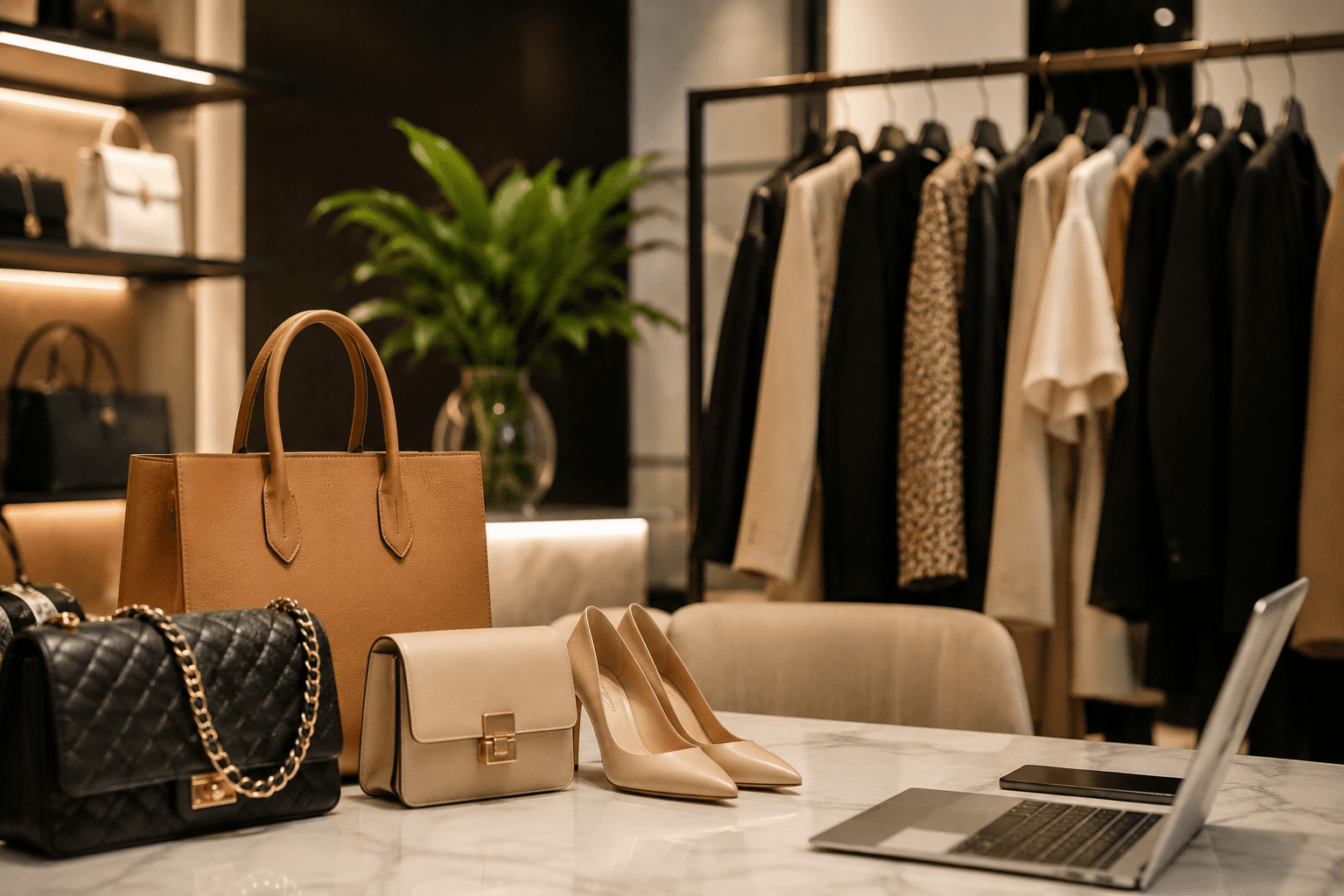
The company sells handbags and apparel produced with the same craftsmanship and materials used by well-known luxury houses, sourced from the same factories, but at a fraction of the retail price. An Italian leather bag that might sell for thousands under a major fashion label goes for a few hundred dollars through the startup's own storefront.
The founder, a repeat entrepreneur who previously built and sold a creator-economy platform, grew up around family members working in luxury manufacturing in France. He has said the products aren't dupes — they come from the same production lines and use the same techniques as the originals, just without the brand markup, and he draws a clear line between his approach and fast fashion, describing the company's pace as deliberately slow rather than disposable.
Why Factories Are Ready for a New Model
According to the founder, the manufacturing landscape has shifted meaningfully since he sold his last company. Historically, luxury factories simply executed designs handed to them by big-name brands, which typically demanded large minimum order volumes. That setup often forced overproduction and left factories financially exposed whenever a brand canceled an order or inventory failed to sell through.
Increasingly, top-tier factories are building their own design and product-development capabilities rather than only manufacturing someone else's blueprints. That shift lets them create original products, iterate faster, and produce in smaller batches — reducing their dependence on a handful of major brand clients and spreading their risk across more customers.
Where AI Fits Into the Business
AI runs through nearly every part of the operation. On the supply side, it's used to spot emerging fashion trends, test which colorways are likely to resonate, forecast demand, and flag when a raw material might run short so factories can restock ahead of time. On the shopper-facing side, an AI agent helps customers build outfits based on a mood, reference photo, or inspiration source, and the platform gets smarter about each shopper's taste over time to suggest what they might want next.
The next generation of shoppers isn't chasing logos for their own sake — they want pieces that are genuinely well-made, priced fairly, and built to last, not another disposable trend cycle.
What Comes Next
The founder positions the long-term ambition as becoming a higher-quality alternative to fast-fashion giants like Zara, offering strong craftsmanship at an accessible price point. The company says it's already seeing a meaningful share of new customers arrive through referrals generated by AI chat assistants rather than traditional search or social channels.
The new funding will go toward scaling logistics, building out more internal AI tooling, and expanding production capacity. Plans also include launching an in-house product line in the style of a private-label collection, along with tools that let creators and influencers spin up their own clothing lines quickly using the same manufacturing network.
- Same factories, lower price. The startup sources from the same manufacturers used by major luxury brands, stripping away the traditional retail markup.
- Factories are evolving. Top manufacturers are increasingly designing and developing products themselves rather than just executing brand orders, enabling smaller, more flexible production runs.
- AI touches the whole pipeline. From trend forecasting and demand prediction to personalized shopping agents, AI is embedded across sourcing and the customer experience.
- Growth is accelerating fast. Sales are projected to jump from around $5 million last year to an annualized run rate north of $55 million this year.
- Bigger ambitions ahead. New funding will fuel logistics, an in-house product line, and tools for creators to launch their own apparel lines through the same factory network.