
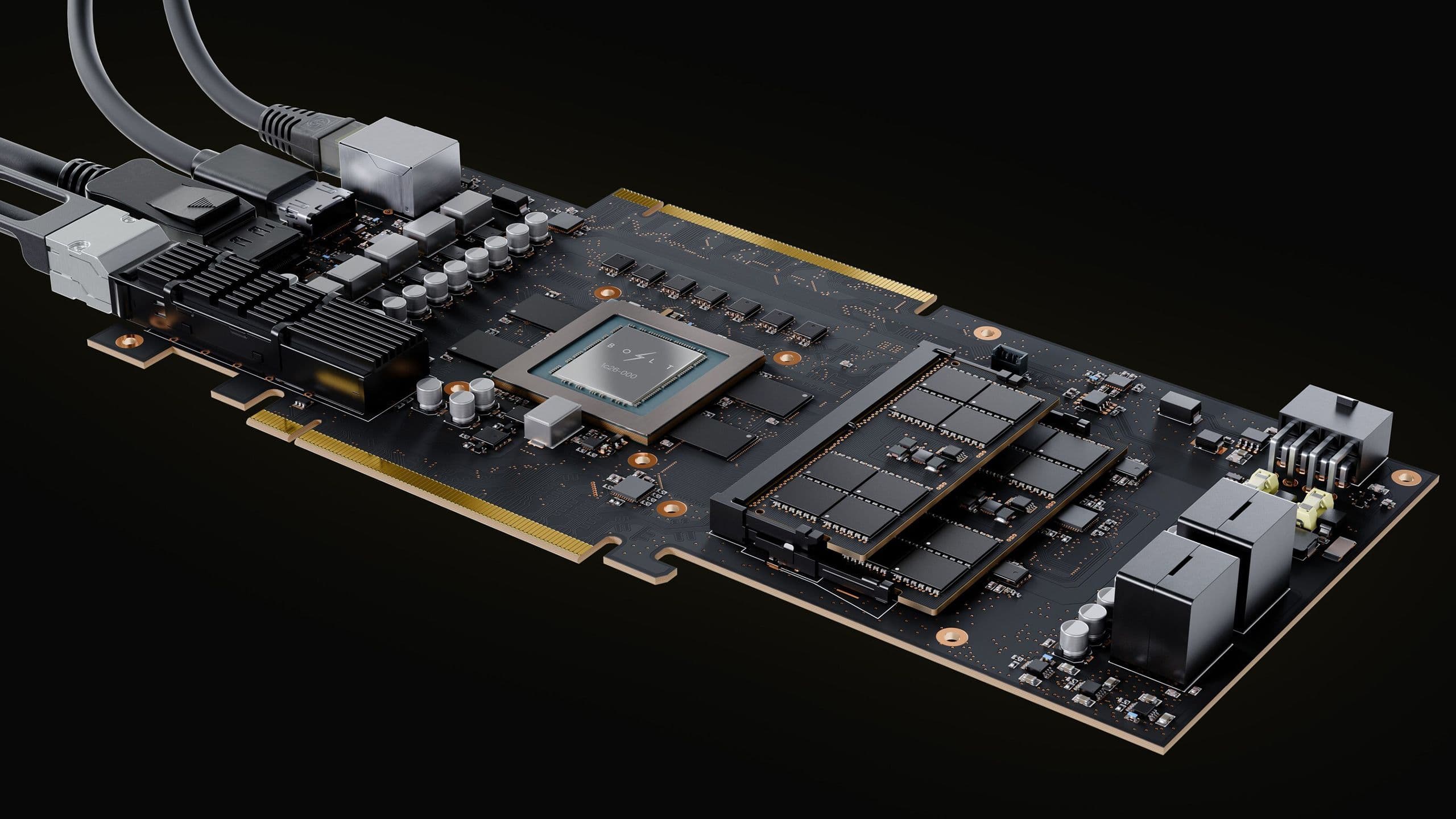
Bolt Graphics Targets $100 Million Funding Round for Its Zeus GPU
Silicon Valley-based chip startup Bolt Graphics is seeking to raise approximately $100 million at a valuation of around $700 million, as it works to develop graphics processing units (GPUs) designed for scientific computing and professional graphics.
According to a Reuters report published on October 15, 2026, the fundraising round is ongoing, and the proposed amount and valuation could change. The company is positioning its technology as an alternative to products from established chipmakers Nvidia and Advanced Micro Devices (AMD), particularly in applications that require high-precision calculations rather than AI acceleration alone.
The fundraising effort comes as investor interest in semiconductor startups increases alongside demand for computing hardware across AI, scientific research and graphics-intensive industries.
What Is Bolt Graphics Building?
Bolt Graphics is developing its Zeus GPU architecture, which is designed to handle workloads such as physics simulation, chip design, scientific computing and professional rendering.
Unlike GPUs primarily optimised for AI training and inference, Zeus targets applications that can benefit from high-precision, 64-bit floating-point calculations, known as FP64. These calculations are important in areas such as scientific modelling and engineering simulations, where numerical precision can be critical.
The company recently completed the first round of testing for its Zeus GPU architecture, marking a development milestone as it moves towards its longer-term product plans.
Why Is Bolt Graphics Targeting Professional Markets First?
Rather than immediately competing in the mass-market gaming GPU segment, Bolt Graphics plans to focus initially on professional users, including 3D artists and game developers.
This strategy allows the company to concentrate on a narrower set of applications and software requirements before attempting to serve a much broader gaming market.
Gaming GPUs need extensive software compatibility to support thousands of games and a wide range of configurations. Establishing that ecosystem can be difficult for a new entrant competing with companies that have spent years developing hardware, drivers and developer relationships.
By targeting professional and scientific workloads first, Bolt Graphics aims to establish a foothold in specialised markets before expanding into consumer gaming graphics.
Competing With Nvidia and AMD
Nvidia and AMD dominate significant parts of the GPU market, supported by established hardware platforms, software ecosystems and long-standing customer relationships.
Bolt Graphics is pursuing a different entry point by focusing on workloads that demand high numerical precision and professional rendering capabilities.
However, developing competitive chips requires more than designing the silicon. The company must also validate its hardware, build reliable drivers, support relevant software and demonstrate performance advantages for real-world applications.
Its ability to attract customers will depend on how effectively its products perform against existing alternatives in price, reliability, power consumption and software compatibility.
Why the $700 Million Valuation Matters
The proposed valuation would place a substantial price on a company that is still developing its GPU technology and preparing for commercial adoption.
For investors, the funding round will test appetite for semiconductor startups targeting markets beyond the AI hardware boom.
Building advanced chips requires considerable capital for design, prototype fabrication, testing and manufacturing preparation. Even after a chip works in initial tests, companies must overcome production, software and customer-adoption challenges before generating significant revenue.
Reuters reported that Bolt Graphics has been developing its chips and hardware for approximately six years. CEO Darwesh Singh declined to comment on the funding terms but said fundraising was well underway. The report did not identify the investors leading the round.
Semiconductor Investment Extends Beyond AI
AI-related computing has attracted significant attention and investment, but specialised processors remain important for other demanding applications.
According to Crunchbase data cited by Reuters, semiconductor startups attracted approximately $10.7 billion in investment during the first five months of 2026, putting the year on course to exceed the $12.2 billion raised globally in 2025.
Bolt Graphics' fundraising effort reflects an attempt to capture investor interest in computing applications outside the most crowded AI-chip segments.
What Comes Next for Bolt Graphics?
Bolt Graphics plans to manufacture its final Zeus chip using Taiwan Semiconductor Manufacturing Company's (TSMC) manufacturing process.
The next major milestones will include further hardware development, validation, software support and eventual commercial deployment. Initial success in testing is encouraging, but it does not yet establish how the product will compare with competing GPUs in production environments.
The proposed $100 million round could provide additional resources for these stages if completed. For now, both the fundraising terms and the company's path to commercial scale remain uncertain.