
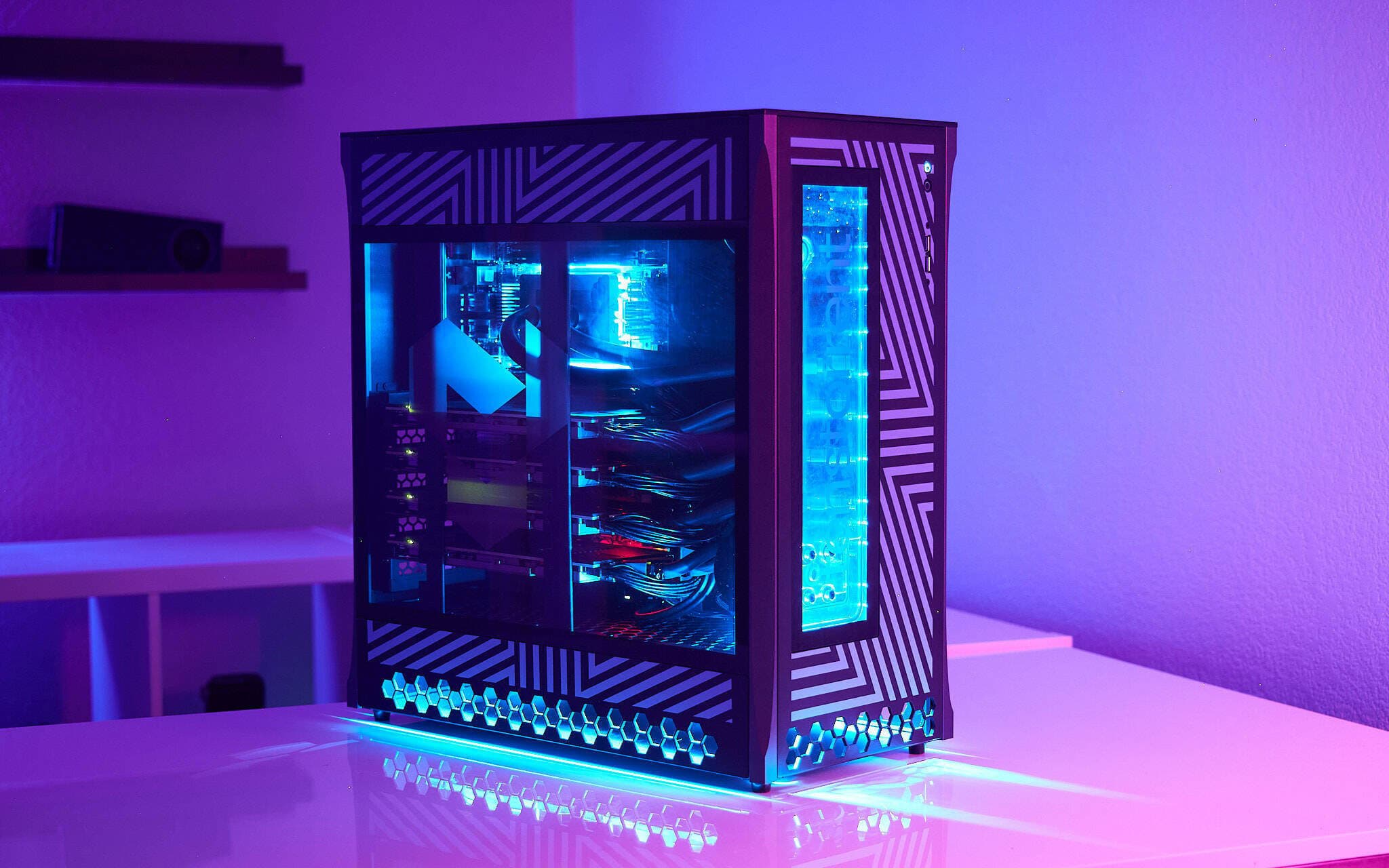
AI chip startup Tenstorrent has raised $1.5 billion in a late-stage funding round, taking its post-money valuation to $6.2 billion. The new valuation more than doubles the company's valuation from December 2024, highlighting continued investor interest in the rapidly expanding artificial intelligence semiconductor market.
Based in Santa Clara, California, Tenstorrent plans to use the fresh capital to scale production of its Galaxy servers, which combine multiple AI chips to support demanding computing workloads.
Major Investors Back Tenstorrent's Growth
The company's Series E funding round was led by Trace Capital and Innovation X. Other investors included ARK Invest, SanDisk, Morgan Stanley, T. Rowe Price and Tether Investments.
The investment reflects growing interest in alternatives to established AI chip suppliers as businesses increase spending on infrastructure needed to develop and operate AI applications.
Galaxy Servers Target Growing AI Workloads
Tenstorrent's Galaxy server systems combine dozens of its AI chips to power applications such as chatbots, coding assistants and video-generation tools. The company aims to expand production to address the computing requirements of businesses developing and deploying AI systems.
As AI adoption grows, demand for computing infrastructure has increased across data centres, enterprise software and generative AI platforms. This creates opportunities for semiconductor startups seeking to compete with established chip manufacturers.
RISC-V Architecture Sets Tenstorrent Apart
Tenstorrent develops AI chips and software using RISC-V, an open-source processor architecture. Unlike proprietary instruction-set ecosystems, RISC-V allows companies to develop processor designs without paying architecture licence fees, potentially giving them greater flexibility over chip development.
The company's CEO, Jim Keller, is a veteran chip architect who previously worked on Apple's processors, led Tesla's self-driving chip efforts and held key design roles at AMD.
What the Funding Means for the AI Chip Market
Tenstorrent's latest funding round signals investor confidence in the long-term growth of AI computing infrastructure. Its focus on RISC-V-based processors and specialised AI systems positions it as one of the companies seeking to offer alternatives in a market dominated by established players.
However, turning a higher valuation into sustained commercial growth will depend on production scale, customer adoption, product performance and the company's ability to compete in an increasingly crowded semiconductor industry.
Conclusion
With $1.5 billion in new funding and a $6.2 billion valuation, Tenstorrent is strengthening its position in the AI semiconductor market. Its next challenge will be converting investor backing into broader adoption of its chips and Galaxy server systems as demand for AI computing continues to expand.