
Why the Founders Behind a Minimalist Flip Phone Think You're Hooked on Your Screen
A decade after launching a phone built to do less, the team behind it says the backlash against constant screen time is finally becoming mainstream — and they've built a new device to meet the moment.
The people who built one of the first minimalist phones on the market say what once looked like a niche lifestyle choice is turning into a mainstream reckoning with how much of our lives smartphones have quietly taken over.
A Decade of Betting Against the Smartphone
The two co-founders behind the distraction-free phone company have spent more than ten years making the case that simpler devices are better for people's wellbeing, long before "digital minimalism" became a mainstream talking point. Along the way, their company has struck partnerships with high-profile figures from politics and entertainment, using those collaborations to push the idea that stepping back from constant connectivity doesn't have to mean stepping away from culture entirely.
Their latest move is a newly announced flip phone that pulls design inspiration from one of the most iconic mobile phones of the early 2000s. In a recent conversation on a tech industry podcast, the founders walked through how those old design lessons shaped the new device, and why they think the timing has never been better for a phone built around doing less.
The "Attention Activist" Movement Gaining Steam
Part of the founders' optimism comes from a broader cultural shift they're seeing, particularly among younger people. They pointed to a summer-long movement of self-described "attention activists" pushing back against Big Tech's grip on daily life as evidence that concerns about compulsive phone use are moving from a fringe complaint to a generational rallying point.
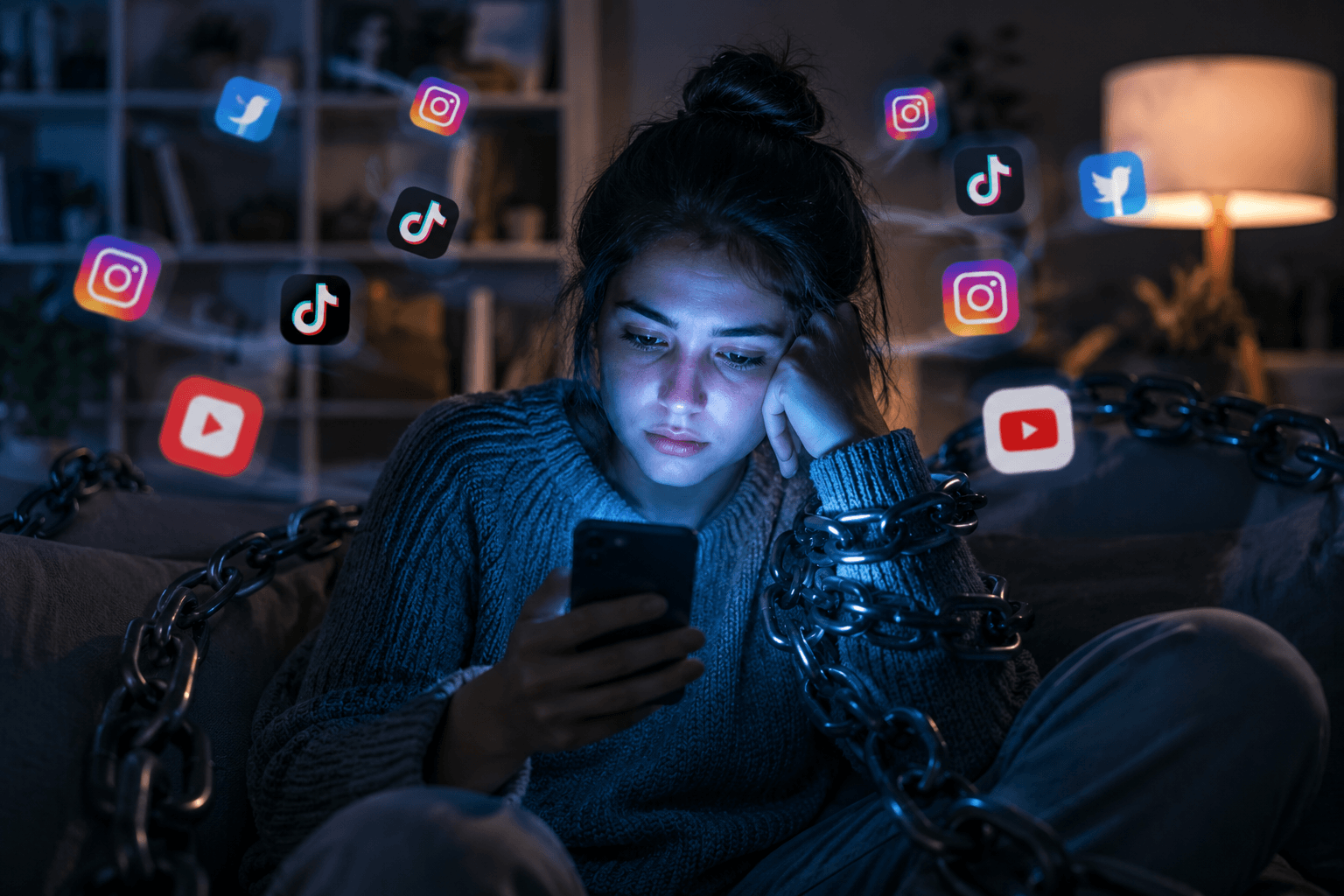
The framing is blunt: the founders describe today's relationship between people and their phones in terms usually reserved for substance dependency, arguing that the sheer amount of time and attention smartphones pull from people looks less like a habit and more like a compulsion that most of the industry has little incentive to fix.
Ten years ago, saying you wanted a phone that did less sounded like a gimmick. Now it sounds like common sense.
No App Store, By Design
Rather than building out an app marketplace the way a typical smartphone maker would, the company is instead giving users the tools to build their own software for the device. The idea is to keep the phone intentionally limited by default while still giving technically inclined users a way to extend it on their own terms, avoiding the endless-scroll, engagement-driven design patterns the founders see as central to the addiction problem in the first place.
Taken together, the new hardware, the openness to user-built tools, and the founders' read on a growing cultural moment suggest a company betting that "less phone" isn't just a niche lifestyle pitch anymore — it might be turning into a real market.
- Minimalist phones are having a moment. A decade-old bet on simpler devices is starting to look prescient as mainstream frustration with screen time grows.
- A new flip phone leans on old design wisdom. The company borrowed cues from a beloved early-2000s handset to shape its newest release.
- Young people are organizing around the issue. A summer-long activist movement is treating compulsive phone use as a cultural flashpoint, not just a personal failing.
- No app store is a feature, not a gap. Opening an SDK lets users build their own tools instead of feeding an engagement-driven app ecosystem.
- The founders frame this as more than a lifestyle brand. Culture-world partnerships have helped push the anti-smartphone message well beyond typical tech circles.